

On Garuda Dāsa’s intervention in ISKCON’s guru-approval process
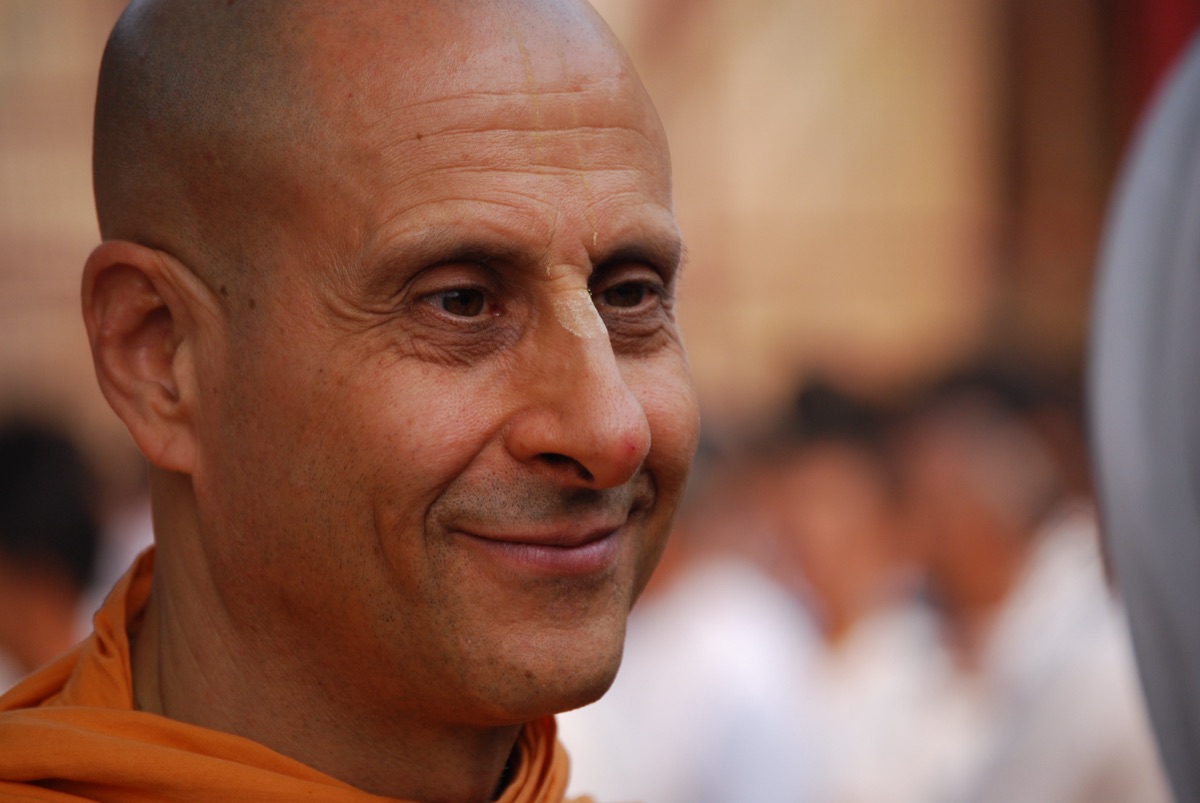
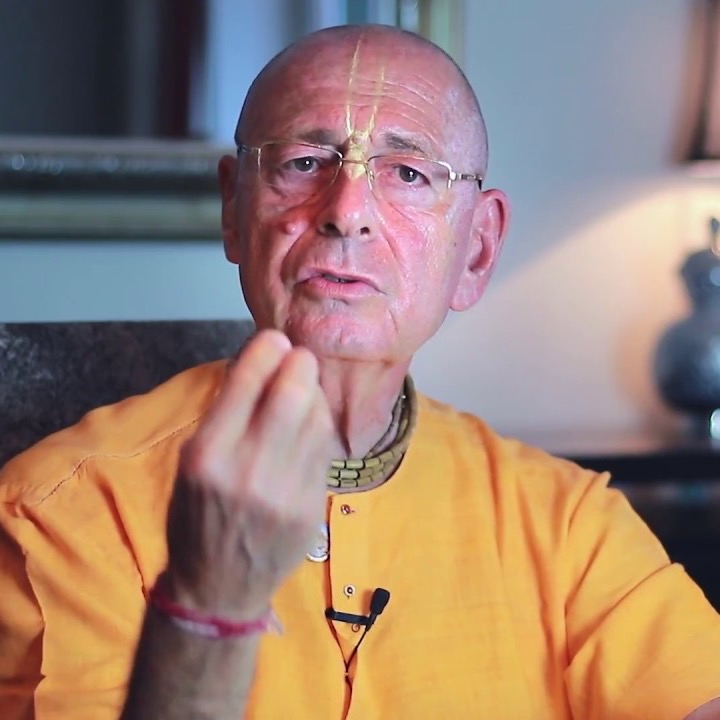
A devotee in his fifties watched the video twice. The first time nodding. The second with a discomfort he could not name. Garuda Dāsa spoke with the calm of a man who has read a great deal, cited hagiographies the devotee had never heard of, recalled Bhaktisiddhānta taking sannyāsa before a photograph, smiled as he coined the word sneakṣā. Everything sounded reasonable. And yet, when he shut the laptop, the devotee had the precise sensation of having listened to a godbrother from the Gauḍīya Maṭha, not to a disciple of Prabhupāda.
That sensation deserves to be examined.
The diagnosis is, in large part, correct
It is worth saying first, because it is.
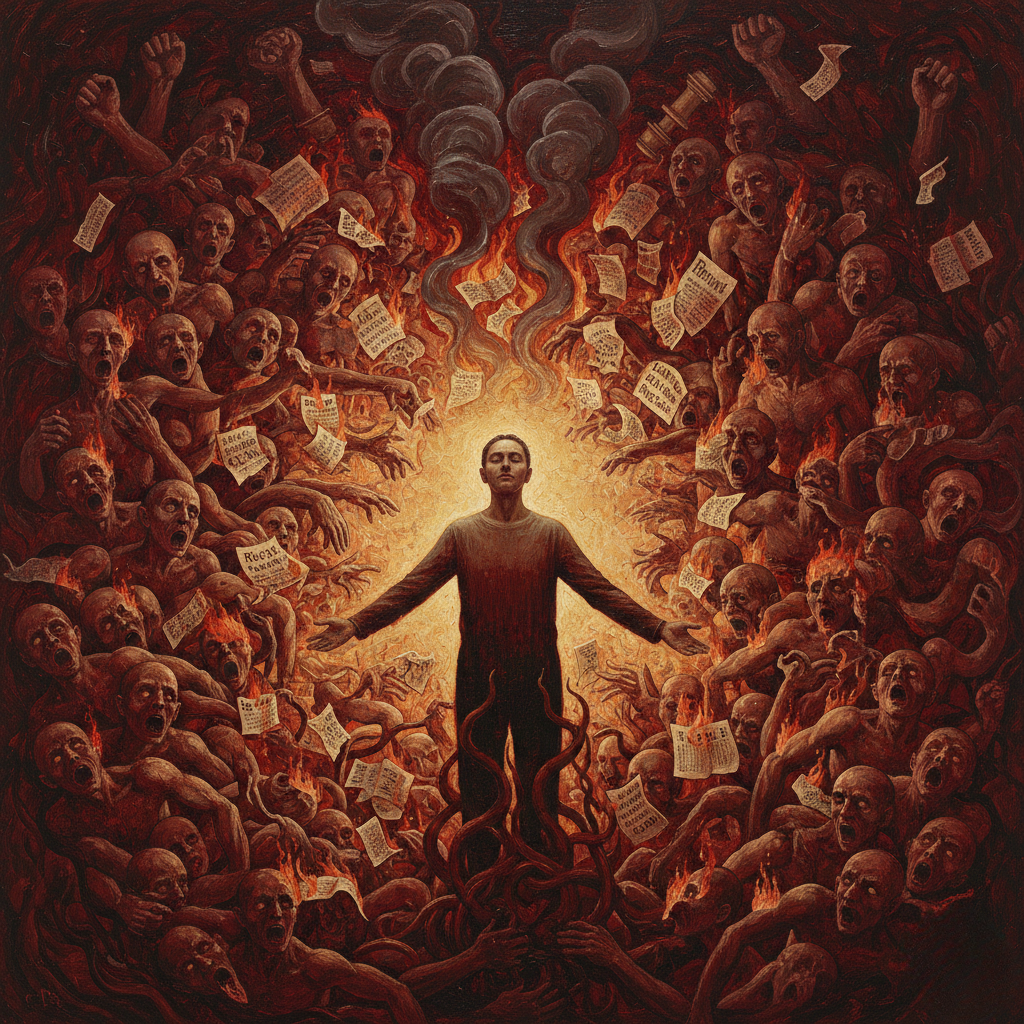
ISKCON has repeatedly mistaken institutional adherence for bhakti. Prabhupāda founded the institution to produce devotees, not devotees to sustain the institution. The GBC was born in 1970 as an administrative body — Direction of Management, July 28 — not as a collective spiritual magisterium. The guru-disciple relationship is personal and ongoing, not a registrable procedure. The after-initiation drop-off is real: hundreds of disciples lose touch with their guru within weeks of dīkṣā. And sneakṣā — qualified women initiating in private what the institution denies them in public — is a verifiable hypocrisy.
So far, Garuda Dāsa describes the diseased body with considerable precision. This must remain standing when the rest is dismantled.
The problem is not what he diagnoses. It is where he draws the remedy from.
Garuda Dāsa appeals to hagiographies of Gauḍīya female initiators, to manuscripts he discovered at Harvard in 1978, to academic materials on the historical paramparā. Authentic vaiṣṇava sources. Sources Prabhupāda did not incorporate into his transmission.
And from those sources he corrects Prabhupāda.
The problem is not the authenticity of the material. The problem is the direction of the flow. In the Gauḍīya line, what the ācārya does not select from the available archive also teaches. Prabhupāda knew those hagiographies. He could have founded a doctrine of female initiators in ISKCON with them. He did not.
Reintroducing them through the academic route, decades later, to correct him, inverts paramparā. It is no longer the disciple receiving what the guru transmits. It is the scholar-disciple selecting from the archive what the guru should have taught.
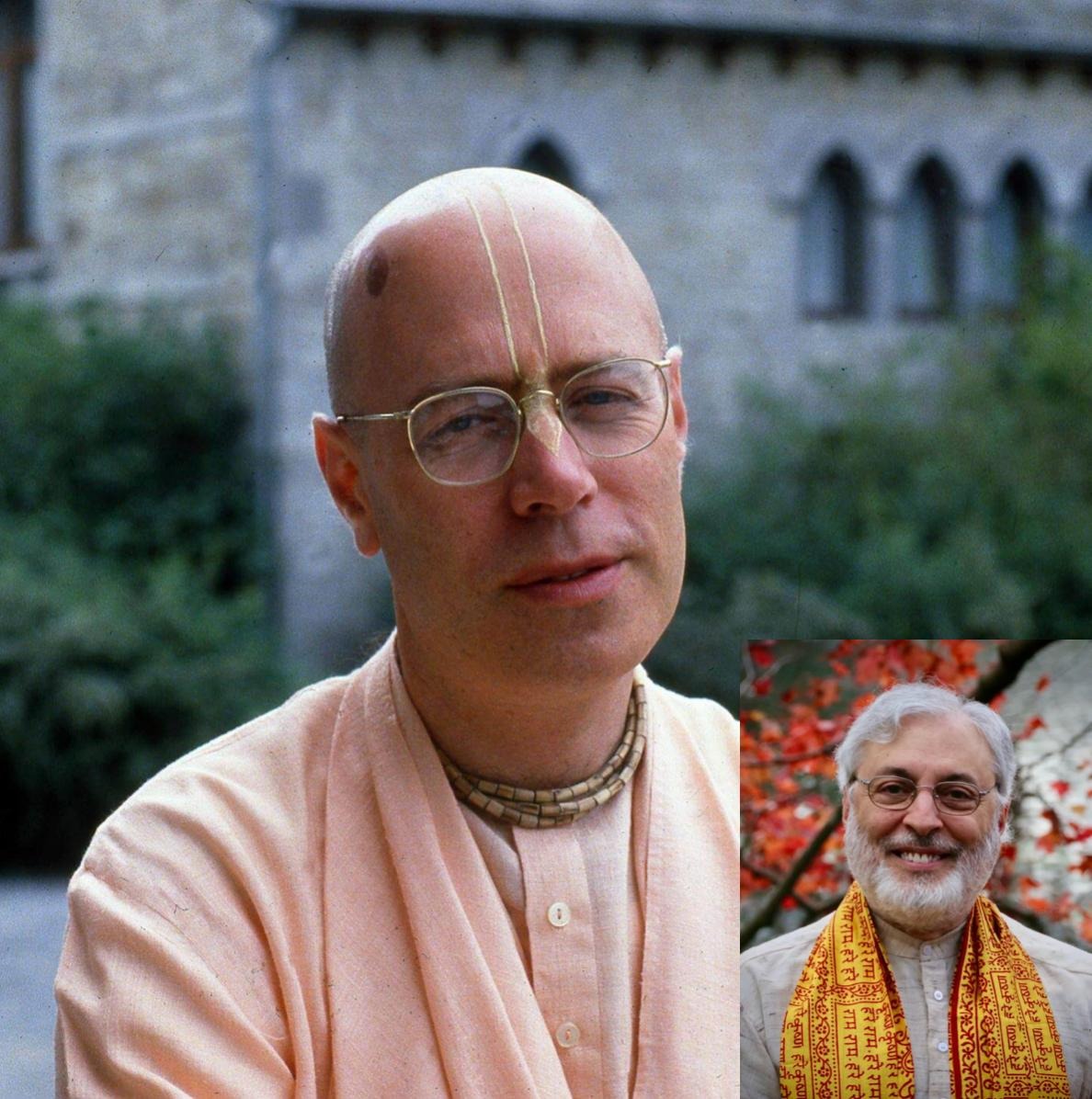
However humble the tone, the one who does this places himself structurally above the ācārya. It is exactly the pattern Prabhupāda denounced in his godbrothers of the Gauḍīya Maṭha. Same sources. Same scholarship. Opposite function.
The confusions that hold the argument together
The first confusion is between bhakti as receiver and guru as role. Bhakti has no caste, gender, or varṇa (BG 9.32) — true, and prabhupādian. But guru does have explicit qualifications: śābde pare ca niṣṇātam, brahmaṇy upaśamāśrayam (SB 11.3.21), Upadeśāmṛta 5, the Padma-Purāṇa verse cited in CC Madhya 24.330. The two categories are not the same, and the whole architecture of his argument depends on treating them as if they were.
On top of that sits a three-tier hermeneutics with a single arbiter. He divides what Prabhupāda said into essential, supporting, and supplementary. The scheme, in itself, is not absurd. The problem is who decides what falls into which tier — and the answer is him. Prabhupāda wrote in the Introduction to BG As It Is that it “must be accepted as it is, without interpretation.” To Jayādvaita he said leave it as it is (BG 12.12, 22-XII-1976). He did not transfer hermeneutic authority to the trained theologian.
From there the argument widens by smuggling sexual orientation into guru-tattva. That guru-tattva is not qualified by gender is defensible and prabhupādian (CC Madhya 8.128). That it is also not qualified by sexual orientation he adds on his own. Prabhupāda treats unregulated sexual conduct as an impediment, not as an irrelevant variable — and a contemporary stance is here being presented as a paramparā principle.
The historical examples do similar work. Bhaktisiddhānta and the photograph is offered as if it demonstrated that bhakti flows without qualification. It does not. A realized mahā-bhāgavata, blessed in life by his guru, taking sannyāsa before a photograph is an exception that confirms the rule, not one that dissolves it. Ṛtvik is then misused: it is a technical term, a priest officiating on behalf of the living ācārya, and a dīkṣā-guru subject to a managerial body is not that. Sliding the word lets a critique of the administrative organ pass as a critique of dīkṣā-paramparā.
The most revealing confusion is the one between his words and his practice. He says he accepts neither the ṛtvik system nor ISKCON’s guru system — and he personally initiates some eighteen disciples on the side. De facto, he founds a parallel lineage. The anti-system rhetoric conceals that there is a system. His own.
Two smaller moves close the pattern. The Rādhā-vallabha anecdote — a hallway remark, “can be other Bhagavad-gītās” — is used to displace, in public, what Prabhupāda repeated in writing in the Introduction to BG As It Is, in the 1970 letter to Rāyarāma, and in the 1976 letter to Jayādvaita. Cherry-picking. Exactly the vice Garuda Dāsa criticizes in others. And the Goloka / Coca-Cola joke equates an offhand remark from Prabhupāda with Mahāprabhu’s vision of Govardhana in every mountain. It is not equanimity. It is lowering the ācārya’s śuddha-sattva consciousness to the category of a humorous human slip.
The rhetorical moves
Worth naming them, because once named they stop working.
There is a false symmetry at the core of his stance: “I am not in favor of women or of men as dīkṣā-gurus” treats as evenly balanced a dispute that is not. Riding on top of it, an equivocation: “guru” means three different things across the video — relational teacher, dīkṣā-guru, guru on the list — and the three are never disambiguated, so a critique that holds for one slides into a critique of all. The claim that “Prabhupāda never designed this system” is an argument from silence that ignores the Direction of Management (1970), the May 28, 1977 conversation with the GBC on appointing initiating gurus, and the 1977 correspondence carrying that arrangement forward — the design exists; it is being unseen.
Then comes the authority laundering: “I’m a trained theologian, this is what I do,” and, in the next breath, “I’m not the arbiter.” Both cannot hold; one of them is doing the work. When pressed on his own initiations, he reaches for tu quoque — “your system is also an invention” — converting a charge into a draw. And when the conversation gets too close to the doctrinal point, humor steps in as shield: sneakṣā, I haven’t died yet, I’m not on the list — quips that defuse serious pushback before it can be formulated. Finally, when asked why he won’t join the GBC’s list, the answer is argument from social consequence: “I’d be associated with certain people.” Sociological reasoning. Not doctrinal.
The assumptions he does not examine
That institution and natural relationship are incompatible. Prabhupāda founded ISKCON precisely to sustain them at scale.
That what is natural is, by definition, more authentic than what is organized. Romanticism. Not śāstra.
That academic training confers hermeneutic authority over the ācārya.
That a decentralized model can sustain a global movement. The post-Bhaktisiddhānta history — dozens of fragmented maṭhas, each with its self-proclaimed ācārya — suggests the opposite. It is exactly what Prabhupāda meant to prevent with the GBC.
That paramparā can be cleanly separated from the institution that embodies it.
That the problem is one of form (system yes, system no) and not of qualification (the spiritual maturity of the initiators).
What stands. What does not.
What stands: his concrete critique of the GBC, of post-initiation drop-off, of cherry-picked letters, of the marginalization of qualified Vaiṣṇavīs, and his defense of academic study in the service of preaching.
What does not stand: identifying traditional paramparā with “the ISKCON system” as if they were the same object; self-administered three-tier hermeneutics; extending guru-tattva to “sexual orientation”; presenting his independent initiation as “the natural thing.” And, above all, the underlying gesture: introducing vaiṣṇava sources the ācārya did not transmit, in order to correct him with them.
Dissolving the system and retreating to a wholly relational model under the authority of the trained theologian amounts to operating as an independent ācārya. The post-Bhaktisiddhānta Gauḍīya tradition knows that figure well. Prabhupāda fought it head on.
The devotee who shut the laptop finally had a name for his discomfort: māyayāpahṛta-jñāna (BG 7.15). The learned man whose knowledge has been stolen — and who uses what remains to correct his guru.
Reference video: “Why Garuda Das Won’t Participate in ISKCON’s Guru Approval Process” — https://www.youtube.com/watch?v=k80V5t9LfDI (2026-05-13).