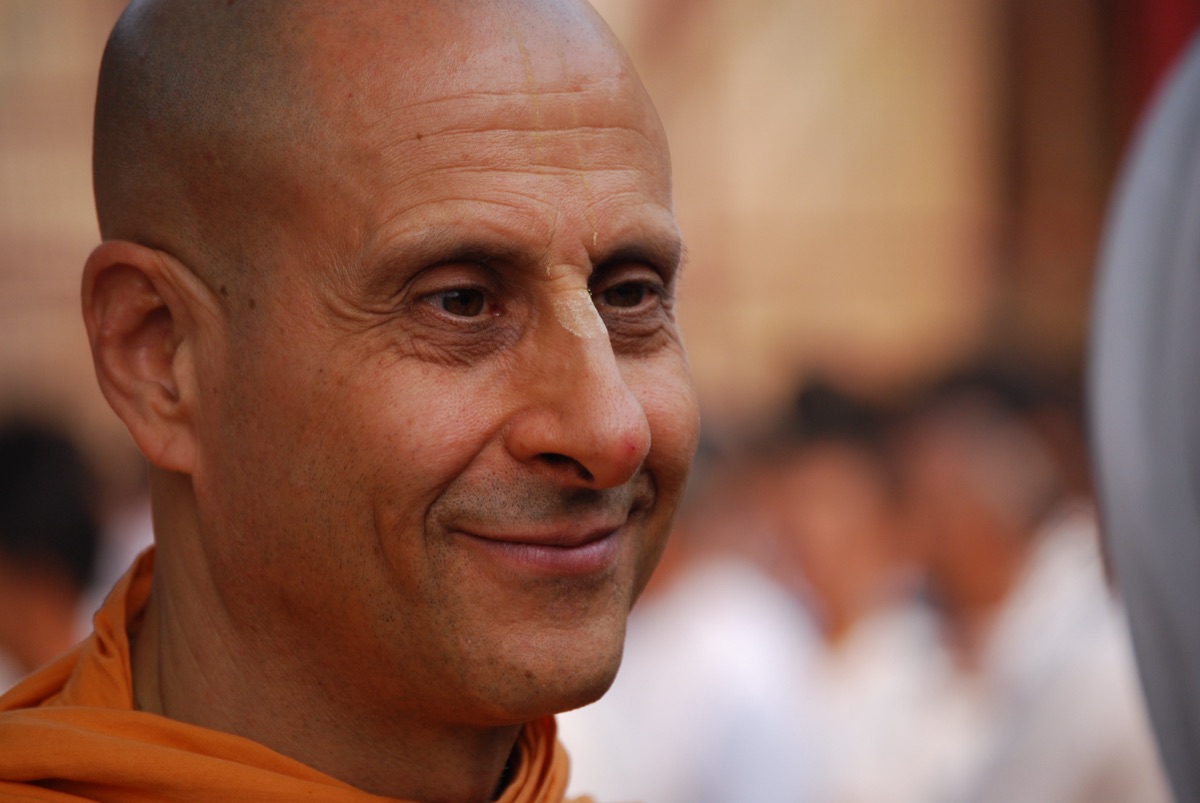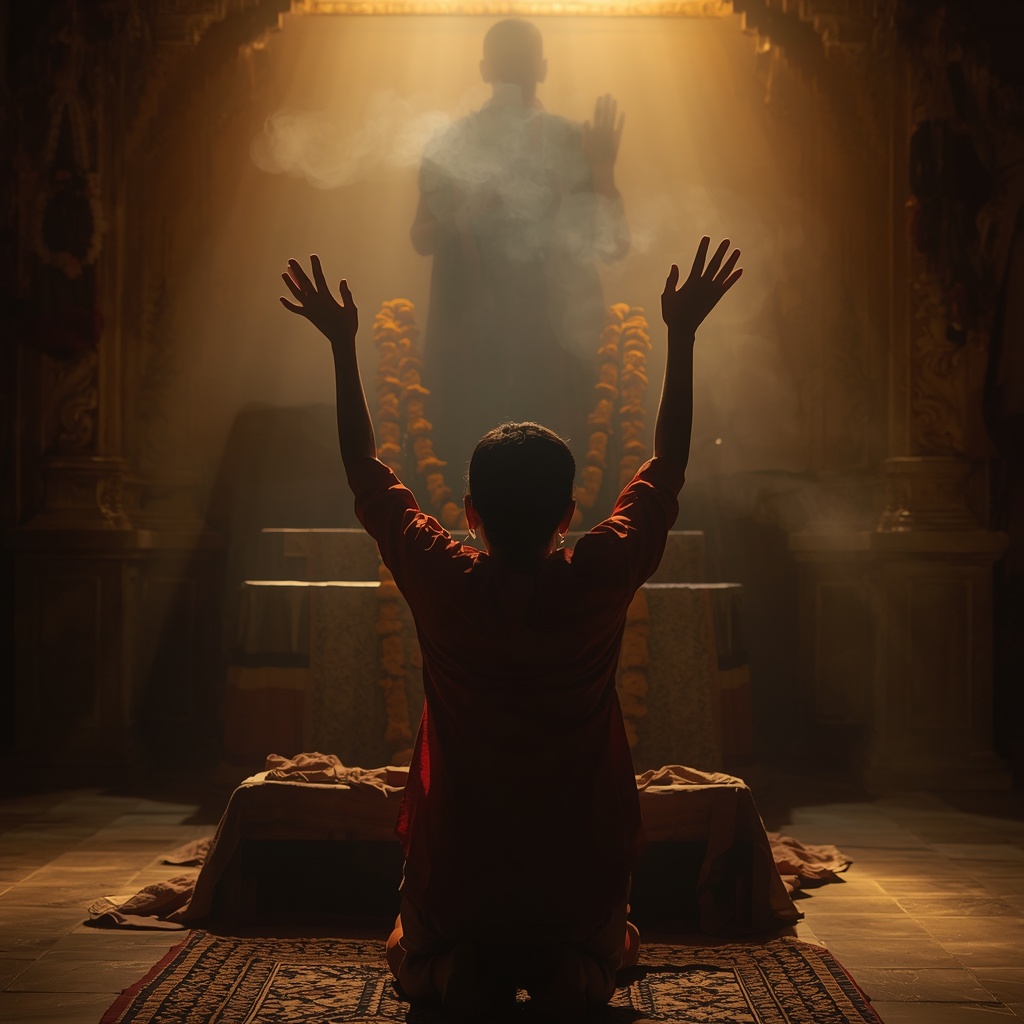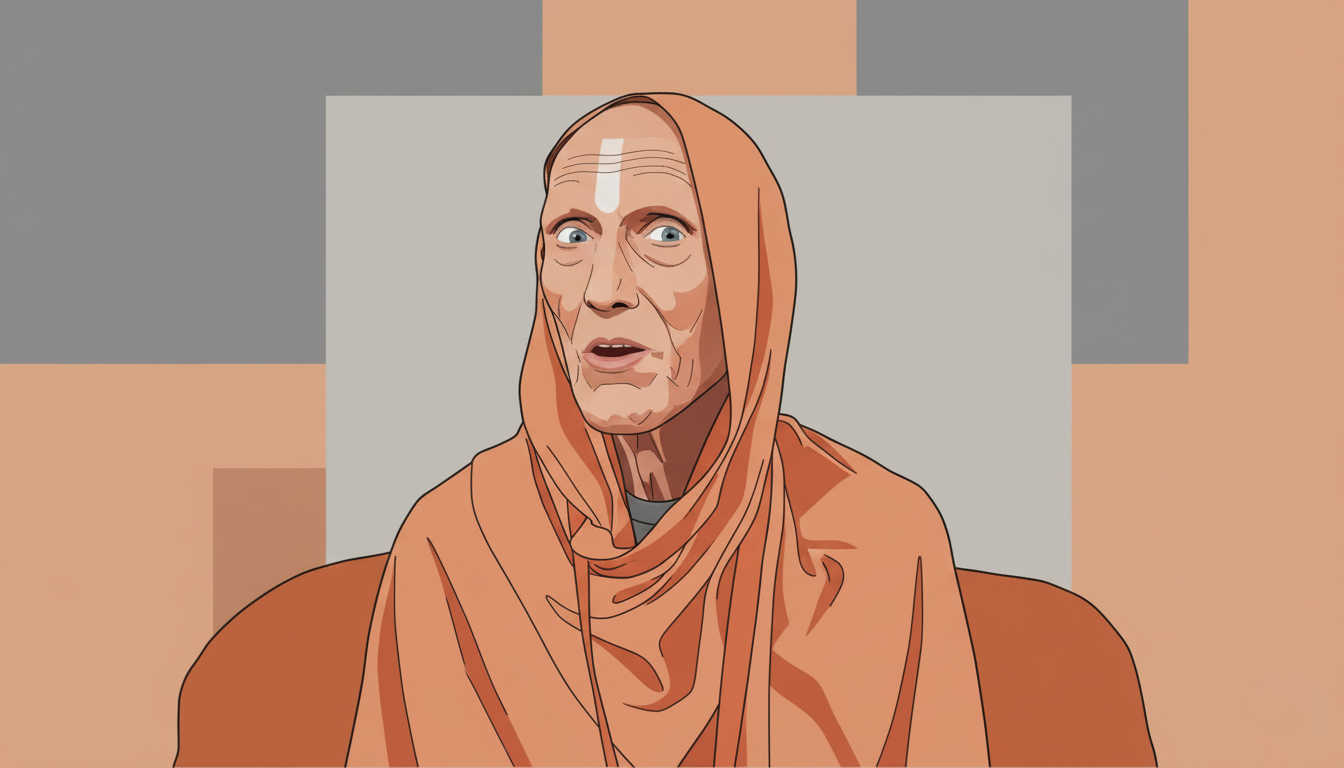

Raghav can tell you the exact afternoon he found his guru. A borrowed room above a shop, twenty people on the floor, the teacher speaking softly about love of God. Somewhere in the second hour Raghav started crying and could not stop. The air felt charged. He walked out a different man, certain he had touched something real.
That was eleven years ago. He still tells the story the same way, and the feeling still comes back when he tells it. He learned the songs. He learned the words. He can hold a room now too, talking about surrender and the mercy of the holy name.
His teacher had a few teachings of his own. The rules in the books were for beginners, he said. Rising early, fixed chanting, the slow study of scripture, that was kindergarten. Realization could not be reached by reading. Feeling was the thing. Raghav loved hearing it, because it asked nothing of him that he did not already enjoy giving.
Here is what eleven years did not change. His temper. His habits. The way he speaks to his wife when he is tired. The contempt he keeps for anyone outside his circle. He has the glow. He has the vocabulary. He is sure he is advancing.
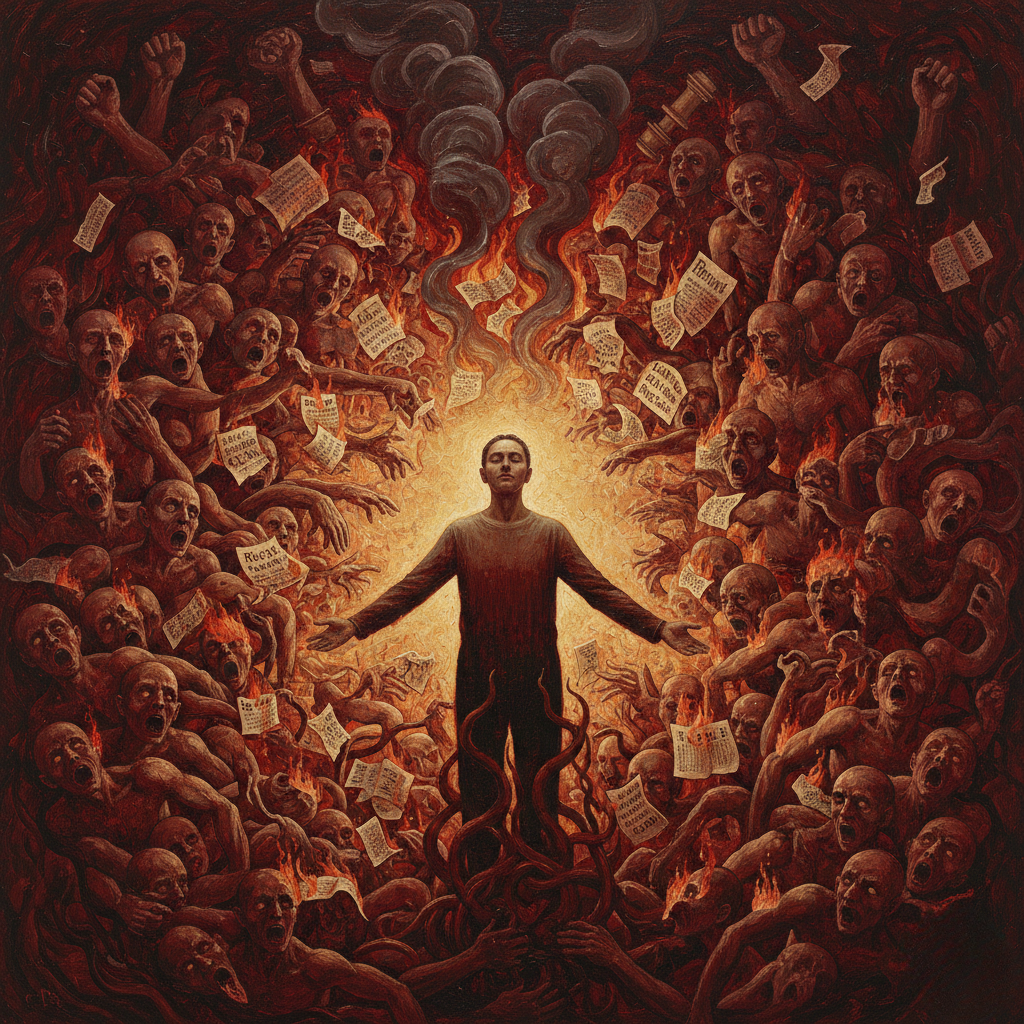
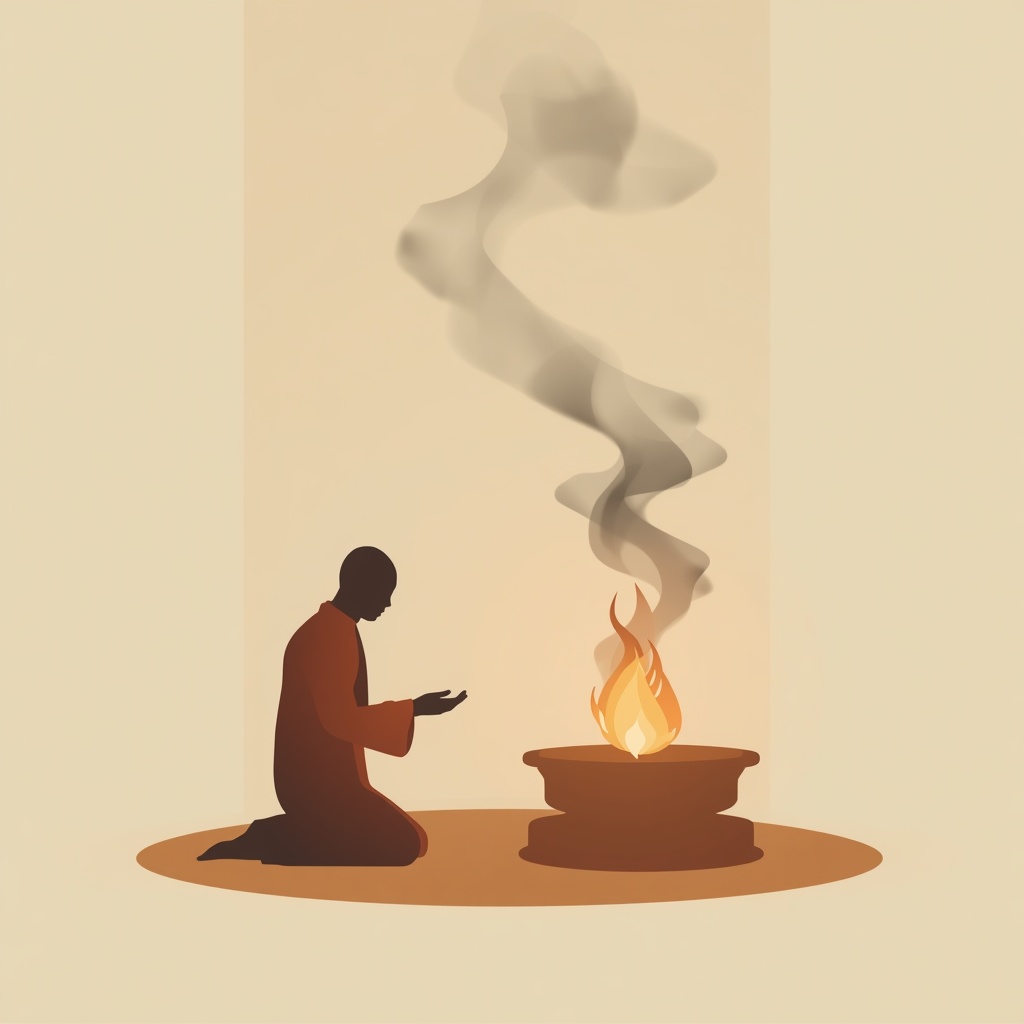
He is warming his hands over smoke and calling it fire.
The Question Nobody Wants Asked
There is a moment in the Bhagavad-gītā where Arjuna asks the one question most spiritual people spend their lives avoiding. Not “is faith good” – everyone agrees faith is good. He asks something sharper. What about the person who has real faith, sincere faith, but does not follow scripture? Where does that leave him?
Bhagavad-gītā 17.1:
“O Kṛṣṇa, what is the situation of one who does not follow the principles of scripture but worships according to his own imagination? Is he in goodness, in passion or in ignorance?”
Read it slowly. Arjuna is not asking about hypocrites or pretenders. He is asking about the sincere. People who worship. People with faith. People who have simply set the scripture aside and followed their own sense of what feels true.
Lecturing on this verse in Honolulu on July 3, 1974, Prabhupāda did not soften it. The faith of such people, he said, is real. And it is going nowhere. “Faith is there, but misguided.” Four words that undo a comfortable assumption most of us carry without examining it: that if my faith is genuine, I must be on the right path.
Kṛṣṇa’s answer is not flattering to that assumption. He divides faith itself into three grades.
Bhagavad-gītā 17.2:
“The Supreme Lord said, according to the modes of nature acquired by the embodied soul, one’s faith can be of three kinds – goodness, passion or ignorance. Now hear about these.”
Bhagavad-gītā 17.3:
“According to one’s existence under the various modes of nature, one evolves a particular kind of faith. The living being is said to be of a particular faith according to the modes he has acquired.”
So faith is not one thing. It is not a pass or fail. A man can be utterly sincere and have a faith that keeps him exactly where he started, because faith takes its color from the mode of nature a person is living in. Sincerity does not lift it. Only purification does.
This is the truth Raghav cannot afford to hear. His faith is real. That was never in question. The question is what grade of faith it is, and whether it is moving him anywhere at all.
Wood, Smoke, and Flame
Prabhupāda reached for fire to explain it, and the image is worth sitting with because it explains almost everything about stalled spiritual life.
Think of wood. Everyone knows there is fire latent in wood. Light it, and the first thing you get is not flame. It is smoke. Only later, if you tend it, comes the blaze that can actually cook your food and warm your house.
Now watch what people do. One man says: I have the wood, so I have fire, so my work is done. He sits beside a log and waits to be warmed. Prabhupāda’s word for this was not gentle. “This is rascaldom.” Having the raw material is not the same as having the fire. “From the wood, when you get fire, flame, then you can work. You can cook; you can get heat; you can get light.”
The three grades of faith map onto this. The man satisfied with the wood, convinced that potential is the same as attainment, sits in ignorance, tamo-guṇa. The man who gets some smoke, some movement, some heat that flares and dies, lives in passion, rajo-guṇa. Only the steady flame is goodness, sattva-guṇa, and even that is just the doorway. Real spiritual life begins above it.
Smoke is the dangerous one, because smoke is convincing. It rises, it moves, you can smell it, you can see it from far away. And it is not fire. Prabhupāda named this counterfeit precisely. So-called meditation, so-called spiritualism, a concocted idea with “some touch of spiritual life, but that is not spiritual life.”
Some touch. That is the whole tragedy in two words. There is a real flicker in it. Raghav’s tears were not fake. The charged air was not nothing. There was a touch. The error is concluding that a touch is the thing itself. The tradition has a name for this, ābhāsa, a faint reflection. Like the gray light before sunrise. There is no darkness, so you tell yourself the sun has risen. It has not.
Two Ways the Fire Never Catches
Watch how this actually happens to good people, because it rarely looks like failure from the inside. It looks like devotion.
The unqualified teacher. This is half of what Arjuna was asking about, and Prabhupāda was blunt about how common it is. “There are so many pseudo so-called gurus. They do not know what is śāstra, neither they follow the principle. Still, they gather some people.” Then the line that should stop every sincere seeker cold: “the world is full with such not bona fide gathering.” Full. Not a few bad actors at the edges. Full.
The followers of such a teacher are not stupid and not insincere. They have faith. Real faith, aimed at a man who himself sat down beside the wood and never lit it. You cannot get flame from a teacher who has only smoke. The warmth in the room is real and it leads nowhere, because the source was never on fire.
The faith that refuses the discipline. This is the other half, and it is subtler, because it can happen to someone with a perfectly good guru. It is the faith that wants the feeling and rejects the work.
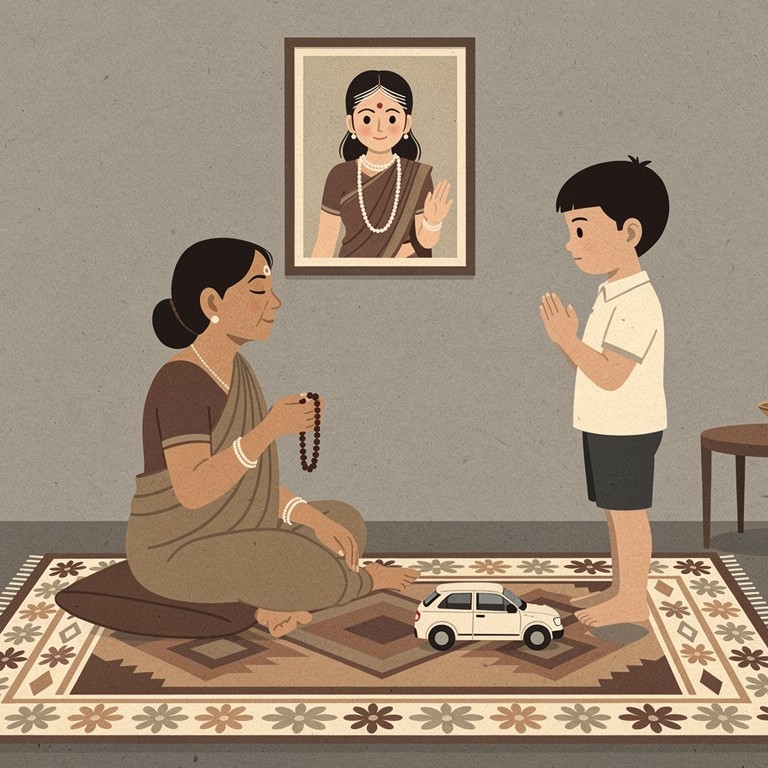
In that same Honolulu room, a woman asked whether they could just gather and chant, without reading the books, without the program. The question sounds humble. It sounds like simple-hearted devotion. Prabhupāda did not take it that way. “Your guru is writing books. If you think, ‘There is no necessity of reading books,’ that is guror avajñā.” Disregard of the guru. He went further: “if he does not follow the instruction of spiritual master, he is a rascal. He is defying the authority.”
Notice the mechanism. The teacher labors to leave you his exact words. Choosing to ignore those words, while keeping the warm feeling of belonging to him, is not a smaller devotion. It is the feeling cut loose from the substance. Smoke without the discipline that produces flame.
This is where the two failures meet, and where this matters far beyond one lecture. A movement can drift from a teacher in the same way a person does – keeping the affection, keeping the photographs and the festivals, while quietly setting aside what he actually said and even editing what he actually wrote. The glow stays. The fidelity goes. By Prabhupāda’s own definition that is not advanced humility. It is guror avajñā wearing the costume of love.
How to Tell Flame From Smoke
So the seeker is left with a hard, useful question. How do I know which one I have? How do I tell the fire from the thing that only looks like it?
Prabhupāda gave a test, and it is refreshingly unmystical. It is a test you apply to a teacher and, just as much, to yourself.
“Ācārya means one who knows the regulative principle or direction in the śāstra. He practically behaves in terms of the śāstra regulative principle and teaches his student also in the same way.”
Three parts, and all three must be present. He knows the scripture. He lives the scripture. He teaches the same scripture, not a private version of it. A man can have one or two and still be smoke. The teacher who knows the texts brilliantly but bends the rules for himself fails the second test. The kind, magnetic teacher who lives cleanly but invents his own doctrine fails the third. Raghav’s guru failed it the day he called the books kindergarten. A teacher who quietly deletes the discipline is not offering you a shortcut to the fire. He is handing you a log and a good feeling.
Then turn the same test on your own faith, honestly. Not “do I feel something.” Smoke makes you feel something. Ask instead what Kṛṣṇa makes explicit in the verse just before this one.
Bhagavad-gītā 16.23:
“But he who discards scriptural injunctions and acts according to his own whims attains neither perfection, nor happiness, nor the supreme destination.”
Neither perfection, nor happiness, nor the destination. Sincerity is not on the list of substitutes. The honest question is whether your faith has put you under the discipline that turns wood into flame, or whether it has simply made you comfortable beside the woodpile.
There is a reason this is hard, and Prabhupāda named it without apology. “Spiritual life is meant for intelligent person.” Not clever. Not educated. Intelligent enough to tell the difference between potential and attainment, between a touch and the thing itself, and honest enough to admit which one you are holding.
The Fuel Was Never the Problem
If you recognize yourself in any of this, hear the part that matters most. Your faith is not the mistake. It never was. Faith is the wood. Faith is the right fuel. You would have nothing to work with at all without it. The error is only in stopping too soon, in mistaking the smoke for the fire, in letting a warm feeling stand in for a changed life.
That is correctable. It is correctable today. The same lecture that diagnoses the problem refuses to leave anyone in despair. Even of the person sunk lowest, Prabhupāda would not say the case was closed. “It is not hopeless – nothing is hopeless – it will take very, very long time.” Nothing is hopeless. The fire is still in the wood. It always was.
What it asks is simple and unglamorous. Submit the feeling to the discipline that completes it. Read the words your teacher actually left, not the version that flatters you. Test the one you follow by whether he knows, lives, and transmits the scripture without subtracting from it. Keep the early rising, the fixed chanting, the slow study, the things smoke tells you that you have outgrown. That is how a touch becomes a flame.
Raghav has the wood. He has had it for eleven years. He has more than enough to build a real fire. He only has to stop warming his hands at the smoke long enough to notice it was never giving off any heat.
Questions for Reflection
- When you describe your spiritual life, do you reach for what you have felt, or for what has actually changed in how you live? Which one is the smoke, and which is the flame?
- Apply the three-part test to the teaching you follow: does it know the scripture, live the scripture, and transmit the scripture without quietly editing it out? If one part is missing, what are you actually being warmed by?
- Where in your practice have you told yourself you have “outgrown” a discipline? Is that growth, or is it the faith that wants the feeling and refuses the work?