
The Cliff Made of Good Works
How decades of sincere service can quietly replace the holy name, why even the best devotees fall for it, and how to begin chanting again.
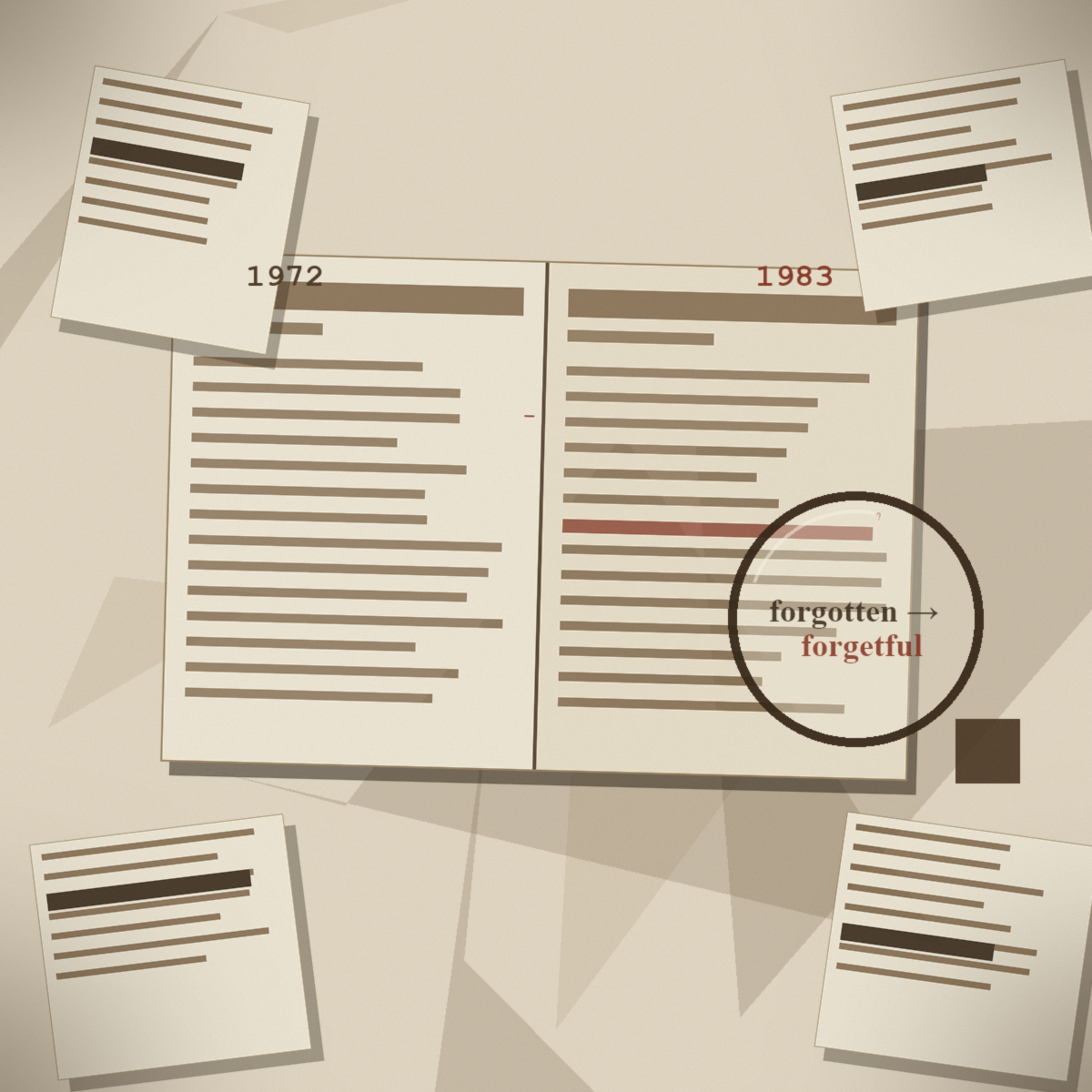
How a fifty-year veteran of ISKCON defends posthumous edits to Prabhupāda's Bhagavad-gītā — and what his defense reveals about institutional self-preservation.
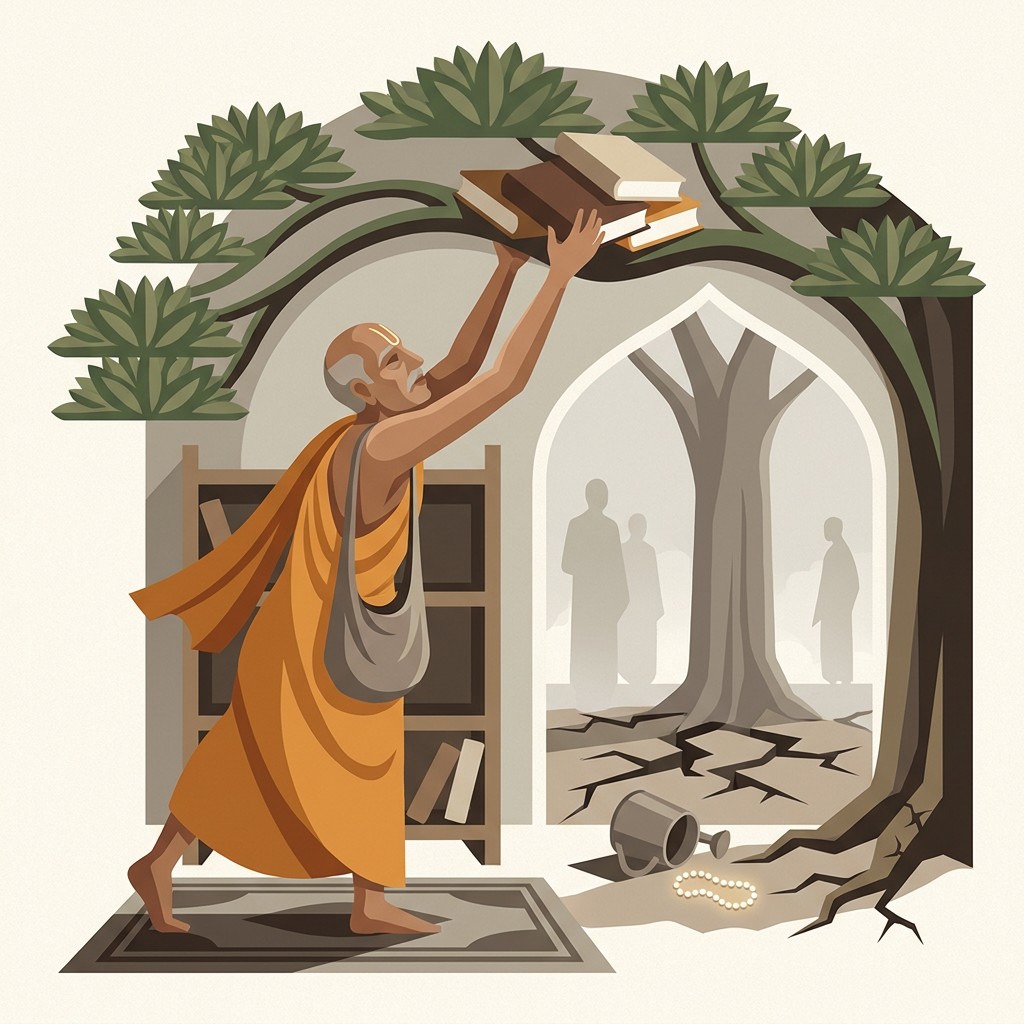
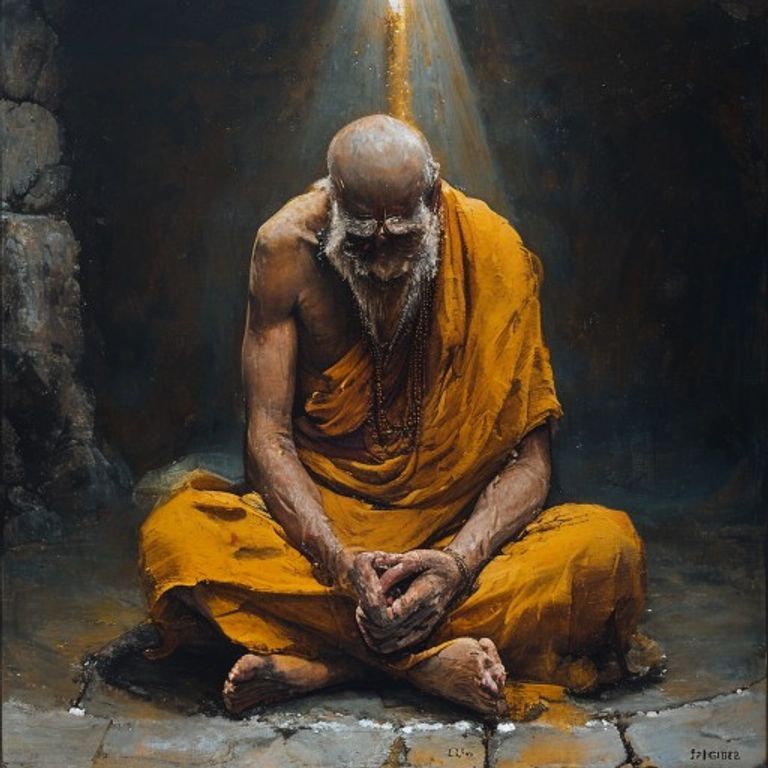
A sincere devotee confessed that fifty years of practice felt like nothing, and the confession nearly killed him. What looked like deep humility was something far more dangerous.
The loudest voices in spiritual life often belong to the ones doing the least. They never served, or they served and stopped — and now they referee everyone else. The genuine seeker owes them nothing.
Garuda Dāsa diagnoses ISKCON's pathologies with precision — and then reaches for a remedy Prabhupāda did not transmit. Is the gesture that places the scholar-disciple above his guru.
This reflection delves into the transformative power of thoughts, the neutrality of events, and the inner fortitude required to navigate life's challenges. Through the lens of ancient wisdom, it emphasizes the importance of cultivating a mind aligned with the Supreme to achieve true peace and purpose. Join in this contemplation on the essence of our inner kingdom, and discover how your thoughts shape your reality.
Srila Prabhupada's purport to Srimad Bhagavatam 4.25.41 has been defended online with arguments worse than the sentence they were meant to protect. The linguistic case is short and clean. The apologetics are the actual scandal.
What happens when a sannyasi reaches for cosmology where he should have reached for the questioner, and what the tradition actually requires of the seat he is occupying.
A satire on the institutions that replace spirituality with performance, surrender with spectacle, and God with applause.
A leader uses his last minute of life to praise the institution, express confidence in its future, and review his own legacy. He does not mention Prabhupada. He does not quote scripture. He does not cry out for Krishna. The omission tells us everything.